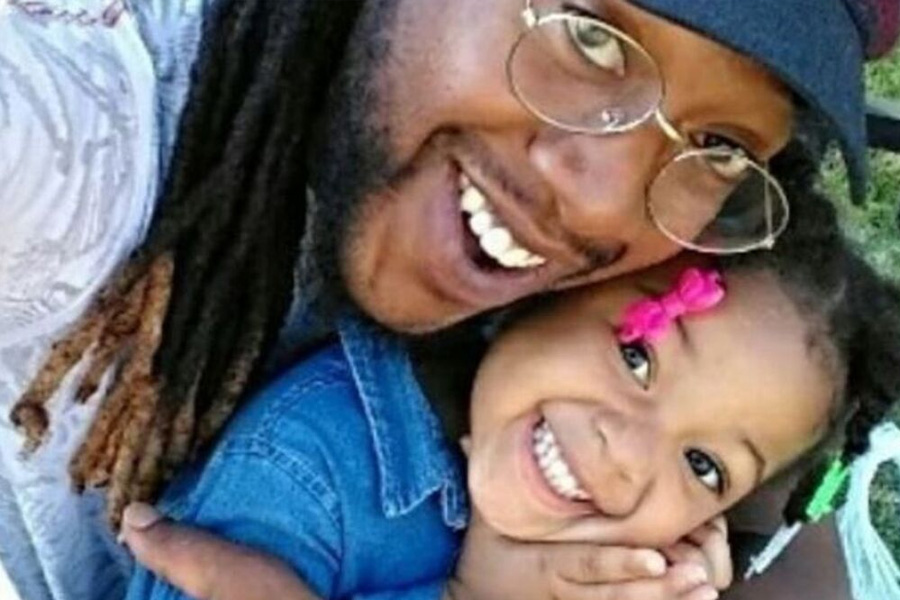
Who Was Aniya Day Garrett?
Aniya Day Garrett was a young girl whose brief existence symbolized a broader failure. Aniya Day Garrett, known as Aniya Day-Garrett, was born in Euclid, Ohio, on September 2, 2013, and died on March 11, 2018. Her age was four.
In 2018 and 2019, her child abuse case was one of the most talked about in Ohio. It was notable for her horrific demise and the reported warning signals before it. Reports, testimony, and legal action depicted a vulnerable child surrounded by persons and institutions that should have protected her.
I see Aniya’s story as both deeply personal and painfully public. At its center was a child. Around her stood family members, caregivers, investigators, attorneys, and government agencies. Each played a role in the public understanding of what happened.
Early Life and Public Identity
Aniya was a young child, not a public figure by choice. She had no career, no crafted public image, and no social media presence of her own. Yet after her death, her name spread across Ohio and beyond. It became shorthand for questions people could not stop asking.
How could repeated concerns fail to stop the danger? How could a four-year-old remain exposed when injuries and warning signs were allegedly visible? Why did intervention not arrive in time?
These questions turned her case into something larger than a criminal trial. Her name became a bell struck in the night, forcing attention onto child welfare systems, mandatory reporting, and family court concerns.
The Family Around Aniya Day Garrett
Aniya’s family relationships were central to the case, both emotionally and legally. The people closest to her became the main figures in the public narrative.
Mickhal Garrett, Her Father
Mickhal Garrett was Aniya’s biological father. In the public record, he emerged as one of the most significant voices connected to her case. Testimony showed that he raised concerns about Aniya’s wellbeing before her death. He reportedly observed injuries, contacted authorities, and sought custody.
Mickhal Garrett became more than a mourning dad in public, in my opinion. He was frustrated by a system that ignored repeated alarms. He was a Cleveland parking enforcement officer during trial. It shows that he was not a celebrity snob. A working father, he tried to protect his child legally and administratively.
After Aniya died, his role shifted again. He sued county child welfare agencies and connected parties for wrongful death, claiming evident signs were disregarded. That legal case settled for $3 million in 2020. The lawsuit took Aniya’s case into policy discourse, where grief became pressure and pressure became reform talk.
Sierra Day, Her Mother
Aniya’s biological mother was Sierra Day. In court, prosecutors accused Day of abuse, negligence, and Aniya’s death. The state claimed she either engaged in or permitted the mistreatment of Aniya while in jail.
Sierra Day was convicted of aggravated murder and child endangerment by a jury. Those convictions affected popular perception of the case. Day symbolized parental failure and active betrayal to many. The person expected to shield the youngster was accused of aiding produce the storm.
The legal findings against Sierra Day were a major reason the case remained so emotionally charged. When harm comes from within the home, it cuts with a different edge.
Deonte Lewis, The Mother’s Boyfriend
Deonte Lewis was not a blood relative, but he was a central figure in Aniya’s final months. He was Sierra Day’s boyfriend and was convicted alongside her. Prosecutors alleged that he took part in the abuse that led to Aniya’s death.
In many tragic child abuse cases, the role of a parent’s partner becomes a grim pattern. Here, Lewis was presented as a major participant in that pattern. His presence in the household became one of the factors people examined when reconstructing the events leading to March 2018.
A Timeline of Key Events
To understand why Aniya’s case resonated so widely, I find it helpful to look at the sequence of events. The dates show how concerns accumulated over time.
| Date | Event |
|---|---|
| September 2, 2013 | Aniya Day Garrett is born |
| 2015 to 2017 | Multiple injury observations and abuse concerns are reportedly documented |
| May 2017 | Daycare personnel reportedly raise abuse concerns |
| July 2017 | Sierra Day begins a relationship with Deonte Lewis |
| September 2017 | Mickhal Garrett reportedly observes bruising and raises concerns |
| October 2017 | Sierra Day obtains a restraining order against Mickhal Garrett |
| December 2017 | Another abuse complaint is reportedly filed |
| January 2018 | The family relocates to Cultural Garden Apartments |
| March 11, 2018 | Aniya is found unresponsive and later pronounced dead |
| March 2018 | Sierra Day and Deonte Lewis are charged |
| February and March 2019 | Murder trial takes place |
| March 7, 2019 | Guilty verdicts are returned |
| March 20, 2019 | Sentencing is imposed |
| April 2019 | Mickhal Garrett files a wrongful death lawsuit |
| June 2020 | County approves a $3 million settlement |
This timeline reads like a narrowing hallway. Each new report, each documented injury, each failed interruption made the final outcome harder to accept.
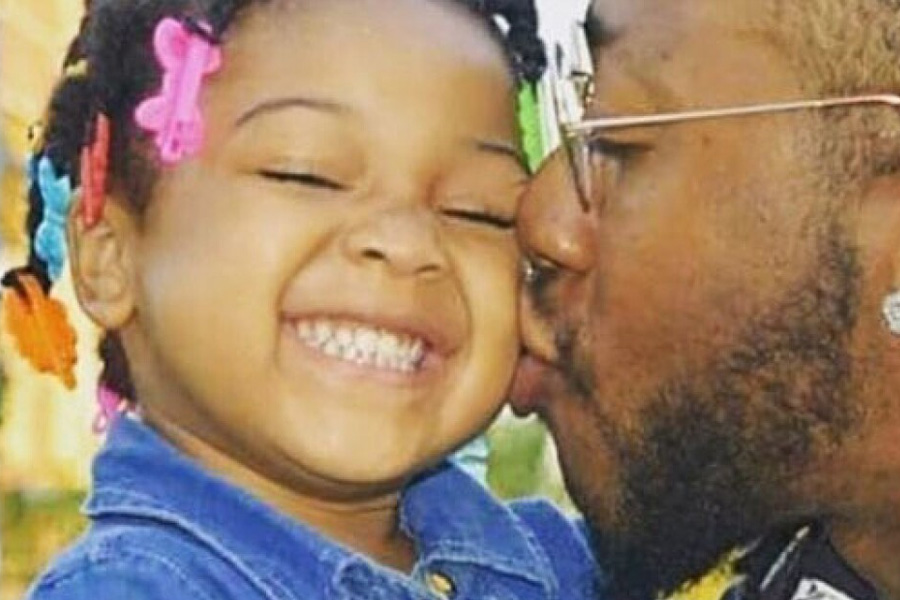
Why the Case Drew So Much Public Attention
Aniya’s death was not viewed as an isolated family tragedy. It became a civic issue. That happened because the allegations suggested repeated opportunities for intervention.
Before March 2018, suspected abuse was reported and discussed. Daycare records showed many injuries. Child welfare services reportedly reviewed complaints. Father’s warnings added another layer. These details made Aniya appear visible to the public.
That is what made the case so haunting to me. The tragedy did not appear to grow in total darkness. It unfolded under flashes of recognition, like lightning exposing a dangerous road without stopping the crash.
Public scrutiny focused on several institutions and practices:
- Child protective services and investigative follow-up
- Daycare reporting obligations
- Inter-agency communication
- Custody and family court dynamics
- Accountability after warning signs emerge
The case became a measuring stick for whether systems designed to protect children were actually doing so.
Siblings and Extended Family
Public reports do not identify Aniya Day Garrett’s biological siblings. Sierra Day’s brother and sister testified throughout the trial, revealing extended family connections. Those relatives’ complete biographies were rarely publicized.
That absence is notable. In many high profile cases, extended family members become public advocates or central witnesses with fully developed public profiles. Here, much of the focus remained tightly fixed on Aniya, her parents, Deonte Lewis, and the agencies involved.
The Legal Aftermath and Public Legacy
The criminal case established the legal responsibility of Sierra Day and Deonte Lewis. But the civil case expanded the public conversation. Mickhal Garrett’s lawsuit argued that agencies tasked with protecting children had failed despite repeated warning signs.
The $3 million settlement did not erase the catastrophe. It signaled institutional recognition of major issues. Money cannot rebuild life. However, it marks the moment public systems realize something went wrong.
Aniya’s legacy now lives in several overlapping areas:
- Calls for stricter child welfare oversight
- Public pressure for better abuse-reporting compliance
- Continued debate about how complaints are screened and investigated
- Community memory expressed through memorial posts and artwork
- Ongoing discussion in true crime and child advocacy spaces
In that sense, her legacy is both fragile and forceful. Fragile because it centers on a child who never had the chance to grow up. Forceful because her case still shapes arguments about reform years later.
The Human Side of the Story
I think it is important to remember that Aniya was not simply a case file, a headline, or a courtroom symbol. She was a little girl. The legal details matter, and the policy implications matter, but they should never swallow that basic truth.
Her father’s public efforts following her death humanized the matter. His testimony, custody struggles, and legal case showed the pain of a parent seeking to intervene and then compel accountability. On the other hand, the mother and her boyfriend’s criminal convictions cemented legal blame.
This combination made the case especially powerful in public memory. It was not only about cruelty. It was also about warnings, missed chances, and the unbearable weight of hindsight.
FAQ
Who was Aniya Day Garrett?
Aniya Day Garrett was an American child from Ohio whose death at age four became one of the state’s most prominent child abuse cases. She was born on September 2, 2013, and died on March 11, 2018.
Who were Aniya Day Garrett’s parents?
Her biological parents were Mickhal Garrett and Sierra Day. Her father later became a public advocate for accountability and reform, while her mother was convicted in connection with Aniya’s death.
What was Mickhal Garrett’s role in the case?
Mickhal Garrett, Aniya’s father, reportedly raised concerns about her safety before her death. He sought custody, contacted authorities, testified during the criminal trial, and later filed a wrongful death lawsuit that led to a multimillion dollar settlement.
Who was Deonte Lewis?
Deonte Lewis was Sierra Day’s boyfriend. He was accused of participating in the abuse of Aniya and was convicted alongside Sierra Day for crimes related to her death.
Did Aniya Day Garrett have siblings?
Publicly available reporting does not clearly identify any biological siblings of Aniya Day Garrett.
Why did Aniya’s case become so widely discussed?
The case drew widespread attention because allegations suggested that abuse concerns had been reported before her death. This led to public criticism of child welfare procedures, daycare reporting practices, and the handling of prior complaints.
What happened in the criminal case?
Sierra Day and Deonte Lewis were tried in 2019 and found guilty on charges connected to Aniya’s death. Sentencing followed later that same month.
What was the result of the civil lawsuit?
Mickhal Garrett filed a wrongful death lawsuit after Aniya’s death. In 2020, Cuyahoga County approved a settlement of about $3 million.
What is Aniya Day Garrett’s legacy?
Her legacy is tied to child welfare reform efforts, public scrutiny of abuse reporting systems, and continued remembrance by advocates and community members. Her case remains a powerful example of how warning signs can be missed with devastating consequences.